Delving into Real Assets for Diversification, this introduction immerses readers in a unique and compelling narrative, with a focus on the value of tangible assets in a diversified investment strategy. From stylish furniture to real estate, explore how these assets can enhance your portfolio.
Stylish Furniture
When it comes to modern homes, stylish furniture plays a crucial role in creating a chic and welcoming ambiance. The latest trends in stylish furniture focus on clean lines, minimalistic designs, and a mix of materials for a contemporary look.
Mixing and Matching Furniture Styles
One tip for achieving a cohesive look in your home is to mix and match different furniture styles. For example, pairing a sleek, modern sofa with a vintage coffee table can create an eclectic and interesting space. Make sure to consider the color palette and overall aesthetic of the room when combining different styles.
Investing in Quality Furniture Pieces
Investing in quality furniture pieces is essential when considering them as real assets. Quality pieces not only last longer but also retain their value over time. Look for furniture made from durable materials like solid wood or metal, as they are more likely to withstand wear and tear and maintain their aesthetic appeal.
Real Assets
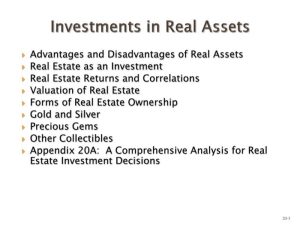
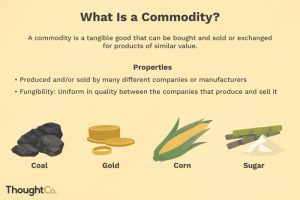
Real assets are tangible assets such as commodities, precious metals, real estate, and infrastructure that have intrinsic value. They play a crucial role in a diversified investment portfolio by providing a hedge against inflation and market volatility.
Examples of Real Assets
- Commodities: Investing in natural resources like gold, silver, oil, or agricultural products can help diversify your portfolio.
- Infrastructure: Investing in infrastructure projects like roads, bridges, or renewable energy can offer stable returns over the long term.
- Collectibles: Assets like art, antiques, and rare coins can also be considered real assets for diversification purposes.
Benefits of Investing in Real Assets
- Protection against inflation: Real assets tend to retain their value or even appreciate during inflationary periods.
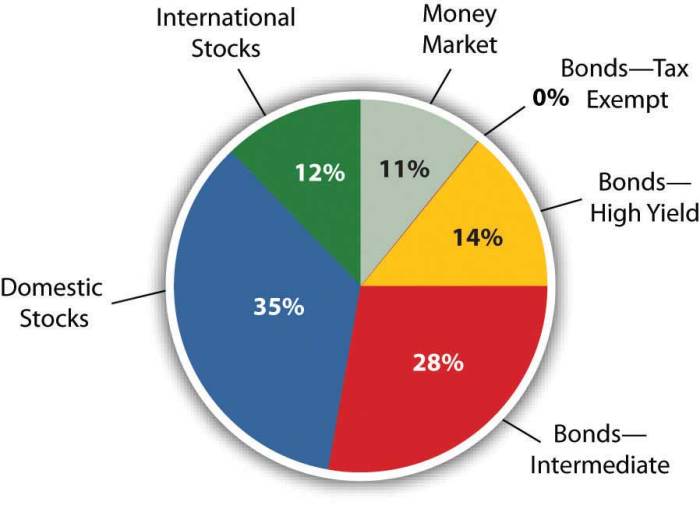
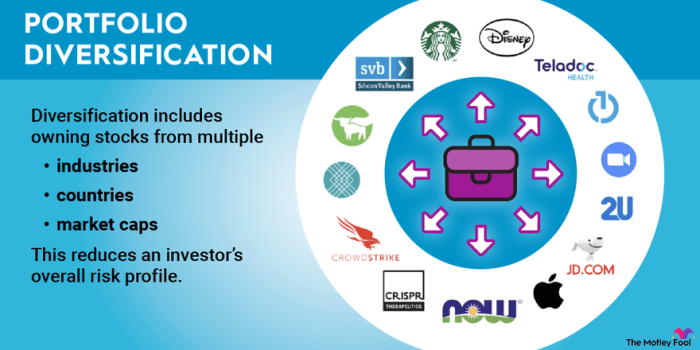
- Diversification: Real assets have a low correlation with traditional investments like stocks and bonds, providing diversification benefits for your portfolio.
- Tangible value: Unlike stocks or bonds, real assets have intrinsic value and can act as a store of value in times of economic uncertainty.
Real Estate
Investing in real estate is a popular choice for long-term wealth accumulation due to several advantages it offers. Real estate investments can provide a steady income stream through rental payments, offer potential for property value appreciation over time, and serve as a hedge against inflation.
Identifying Undervalued Properties
When looking for undervalued properties as potential real assets, it is essential to conduct thorough research and due diligence. Consider factors such as location, market trends, property condition, and potential for renovation or improvement. Look for properties that are priced below market value but have the potential to increase in value with strategic upgrades.
- Research local market trends and property values to identify areas with growth potential.
- Consider properties that may need cosmetic updates or repairs, as these can often be purchased at a lower price.
- Work with real estate professionals or experts who can provide insights and guidance on finding undervalued properties.
- Look for motivated sellers or distressed properties that may offer opportunities for negotiation and favorable purchase terms.
Risks and Mitigation
While real estate investments can be lucrative, they also come with risks that investors need to be aware of and mitigate effectively. Some common risks associated with real estate investments include property market fluctuations, unexpected maintenance costs, vacancies, and changes in local regulations.
- Diversify your real estate portfolio to spread risk across different properties and locations.
- Maintain a financial buffer for unexpected expenses or periods of vacancy to ensure cash flow remains stable.
- Stay informed about local market conditions and regulations to anticipate potential challenges or changes that may impact your investments.
- Regularly assess and monitor your properties to address maintenance issues promptly and ensure they remain attractive to tenants or buyers.
Renovation Tips
Renovating a property can significantly increase its value, attracting more potential buyers or tenants. Here are some cost-effective renovation tips to consider:
Focus on Curb Appeal
Improving the exterior of a property can create a great first impression and increase its overall value. Simple upgrades like painting the front door, adding landscaping, or updating the mailbox can go a long way.
Update the Kitchen and Bathroom
The kitchen and bathroom are key areas that can make or break a sale. Consider updating fixtures, cabinets, countertops, and adding modern touches to give these spaces a fresh look.
Enhance Energy Efficiency
Investing in energy-efficient upgrades such as LED lighting, smart thermostats, or insulated windows can not only attract eco-conscious buyers but also reduce utility costs, making the property more appealing.
Examples of Successful Renovation Projects
- Adding a deck or patio space increased property value by 10-15%.
- Remodeling the basement into a livable space raised property value by 20%.
- Upgrading to hardwood floors throughout the house resulted in a 5-10% increase in value.
Strategic Renovations for Real Estate Assets
Strategic renovations play a crucial role in maintaining and growing real estate assets. By focusing on upgrades that provide the best return on investment, property owners can maximize their profits and attract more interest from potential buyers or renters.
In conclusion, Real Assets for Diversification offer a tangible and strategic approach to investment, providing stability and growth potential. By incorporating these assets into your portfolio, you can achieve a well-rounded and resilient financial plan.
FAQ Section
What are some examples of real assets besides real estate?
Some examples include precious metals, art collections, and vintage cars.
How can one identify undervalued properties as potential real assets?
Look for emerging neighborhoods, properties with renovation potential, and those below market value.
What are the risks associated with real estate investments?
Risks include market fluctuations, unexpected maintenance costs, and potential vacancies.