Beginning with Commodities as Real Assets, the narrative unfolds in a compelling and distinctive manner, drawing readers into a story that promises to be both engaging and uniquely memorable.
Investing in commodities offers a unique opportunity to diversify and strengthen investment portfolios with tangible assets that hold intrinsic value.
Commodities as Real Assets
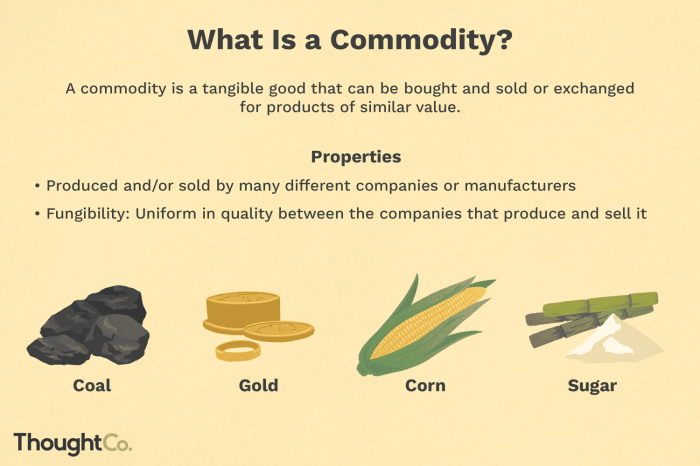
Commodities are physical goods that can be bought and sold, making them tangible assets with intrinsic value. They are considered real assets because they have inherent worth, unlike financial assets whose value is based on a contractual claim.
Examples of commonly traded commodities
- Gold: A precious metal often used for jewelry and as a store of value.
- Crude oil: A key energy source used in various industries such as transportation and manufacturing.
- Corn: A staple food commodity used in various food products and as animal feed.
- Silver: Another precious metal used in jewelry, electronics, and industrial applications.
Benefits of including commodities in a diversified investment portfolio
Adding commodities to an investment portfolio can provide several benefits:
- Diversification: Commodities have low correlation with traditional financial assets like stocks and bonds, helping to reduce overall portfolio risk.
- Inflation hedge: Commodities, especially precious metals like gold, tend to retain their value or even increase during inflationary periods.
- Portfolio protection: Commodities can act as a hedge against geopolitical risks, currency fluctuations, and other external factors that may impact traditional assets.
Stylish Furniture as Real Assets
Stylish furniture can be a valuable real asset for numerous reasons. Apart from providing functionality and aesthetic appeal to a space, high-quality and well-designed furniture pieces can hold or even increase their value over time, making them a smart investment choice.
Choosing Stylish Furniture
When selecting stylish furniture as an investment, it is crucial to consider factors that contribute to its long-term value. Here are some tips to keep in mind:
- Opt for Timeless Designs: Choose furniture pieces with classic designs that have enduring appeal and won’t go out of style.
- Focus on Quality Materials: Look for furniture made from high-quality materials like solid wood, leather, or metal, as they tend to be more durable and retain value better.
- Consider Brand Reputation: Invest in furniture brands known for their craftsmanship, quality, and reputation in the industry.
- Condition and Maintenance: Assess the condition of the furniture and ensure proper maintenance to preserve its value over time.
Importance of Quality and Design
Quality and design play a significant role in the selection of stylish furniture as an investment:
- Quality: High-quality furniture is made to last, withstand wear and tear, and retain its value over the years.
- Design: Well-designed furniture not only enhances the aesthetic appeal of a space but also has a timeless quality that transcends trends.
- Value Appreciation: Investing in stylish furniture with excellent quality and design can lead to appreciation in value, especially if it becomes a sought-after piece in the future.
Real Estate as Real Assets
Real estate is considered one of the most significant tangible assets due to its physical presence and ability to generate income over time. Investing in real estate offers stability, potential for appreciation, and diversification in a portfolio.
Types of Real Estate Investments
There are various types of real estate investments, each with its own characteristics and potential for long-term value:
- Residential: Investing in properties such as single-family homes, condos, or apartments can provide steady rental income and potential for appreciation based on location and market trends.
- Commercial: This includes properties like office buildings, retail spaces, and industrial complexes. Commercial real estate investments offer higher income potential but may also come with higher risks.
- Industrial: Investing in warehouses, distribution centers, or manufacturing facilities can provide stable income from long-term leases with established tenants.
- Mixed-Use: These properties combine residential, commercial, and sometimes retail spaces in a single development. Mixed-use investments can offer diversification and multiple income streams.
Strategies for Maximizing Returns
When it comes to maximizing returns on real estate investments, there are several strategies that investors can consider:
- Location: Choosing properties in prime locations with high demand and growth potential can increase the chances of appreciation and rental income.
- Property Management: Efficient property management can help minimize vacancies, ensure timely rent collection, and maintain the value of the investment.
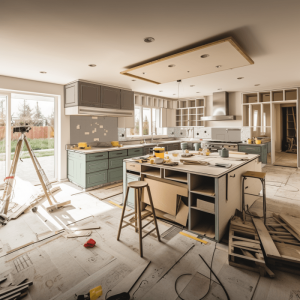
- Renovations and Upgrades: Making strategic renovations and upgrades to the property can attract higher-quality tenants and increase rental rates.
- Diversification: Diversifying real estate investments across different types of properties and locations can help mitigate risks and optimize overall returns.
Renovation Tips for Real Assets
When it comes to increasing the value of real assets like properties, renovations play a crucial role. Not only do renovations help in maintaining the property’s condition, but they can also significantly enhance its overall value in the market. Let’s explore some renovation tips that can make a real difference in the value of your real assets.
Invest in a Fresh Coat of Paint
One of the simplest yet most effective ways to increase the value of a property is by giving it a fresh coat of paint. This can instantly refresh the look of the property and make it more appealing to potential buyers or tenants.
Upgrade the Kitchen and Bathroom
The kitchen and bathroom are often the focal points of a property. Investing in upgrading these areas with modern fixtures, countertops, and appliances can significantly increase the value of the property. A modern, functional kitchen and bathroom are attractive selling points for any real asset.
Enhance Curb Appeal
First impressions matter, especially when it comes to real assets. Enhancing the curb appeal of a property by landscaping, painting the exterior, or adding decorative elements can instantly boost its value. A well-maintained exterior creates a positive impression on potential buyers or tenants.
Focus on Energy Efficiency
Improving the energy efficiency of a property not only reduces utility costs but also increases its overall value. Consider installing energy-efficient windows, appliances, and insulation to make the property more environmentally friendly and cost-effective for future owners or tenants.
In conclusion, Commodities as Real Assets provide a dynamic avenue for investors to secure their financial future by incorporating tangible goods into their investment strategies, ensuring stability and growth in the long term.
FAQs
Are commodities considered a secure investment option?
Commodities can offer stability and act as a hedge against inflation, making them a viable option for diversifying investment portfolios.
How can one invest in commodities?
Investors can access commodities through various financial instruments such as futures contracts, ETFs, or by physically purchasing the goods.
What are some examples of commonly traded commodities?
Commonly traded commodities include gold, silver, oil, agricultural products, and industrial metals.