Gold and Real Assets Investment sets the stage for this enthralling narrative, offering readers a glimpse into a story that is rich in detail and brimming with originality from the outset. As we delve into the benefits of investing in gold and the significance of real assets in a diversified portfolio, the potential for maximizing returns becomes clear.
Gold Investment

Investing in gold can provide several benefits to investors looking to diversify their portfolios and protect their wealth. Gold is often seen as a safe-haven asset that can act as a hedge against inflation and economic uncertainty. Additionally, gold has intrinsic value and has been used as a store of wealth for centuries.
Historical Performance of Gold
Gold has shown a strong track record of preserving wealth over the long term. Historically, gold has maintained its value and even increased in times of economic crisis or market volatility. This makes gold a popular choice for investors looking to protect their assets during turbulent times.
Comparison to Other Investments
When compared to other types of investments, such as stocks or bonds, gold often behaves differently. While stocks and bonds are subject to market fluctuations and economic conditions, gold tends to perform well when traditional assets are underperforming. This inverse correlation can make gold a valuable addition to a well-rounded investment portfolio.
Real Assets Investment
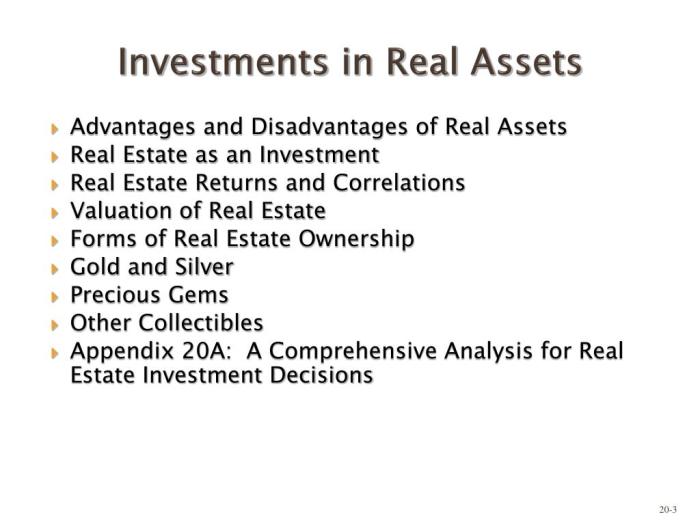
Real assets are tangible assets that have intrinsic value, such as real estate, commodities, natural resources, and infrastructure. They are crucial components of an investment portfolio as they provide diversification, act as a hedge against inflation, and offer long-term growth potential.
Examples of Real Assets
- Real Estate: Properties such as residential, commercial, or industrial real estate.
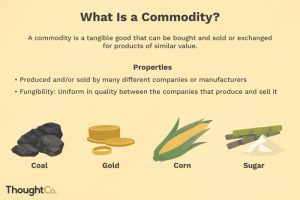
- Commodities: Natural resources like oil, gas, metals, and agricultural products.
- Infrastructure: Investments in essential facilities like roads, bridges, and utilities.
- Collectibles: Rare art, fine wine, vintage cars, and other valuable collectibles.
Advantages of Diversifying into Real Assets
Real assets offer several advantages when added to an investment portfolio:
- Portfolio Diversification: Real assets have low correlation with traditional financial assets like stocks and bonds, reducing overall portfolio risk.
- Inflation Hedge: Real assets tend to retain their value or even increase in price during inflationary periods, preserving purchasing power.
- Income Generation: Real assets like real estate and infrastructure can provide regular income through rent, dividends, or royalties.
- Long-Term Growth Potential: Real assets have the potential for capital appreciation over the long term, offering investors a chance to grow their wealth steadily.
Real Estate Investment
Real estate can play a crucial role in a diversified investment strategy due to its potential for long-term appreciation and income generation. It serves as a tangible asset that can provide stability and act as a hedge against inflation.
Tips for Investing in Real Estate for Beginners
- Start by educating yourself: Before diving into real estate investment, take the time to learn about the market, property types, financing options, and potential risks.
- Set clear investment goals: Define your objectives, whether it’s rental income, property appreciation, or a combination of both.
- Start small: Consider beginning with a single property or investing in real estate investment trusts (REITs) to gain exposure to the market without the commitment of owning physical properties.
- Understand the market: Conduct thorough market research to identify areas with growth potential, rental demand, and favorable economic conditions.
- Build a strong team: Surround yourself with professionals such as real estate agents, property managers, and contractors to assist you in the investment process.
Potential Risks Associated with Real Estate Investments
Real estate investment comes with its own set of risks that investors should be aware of:
- Market Risk: Fluctuations in the real estate market can impact property values and rental income.
- Liquidity Risk: Real estate investments are relatively illiquid compared to other assets, making it challenging to sell properties quickly in times of need.
- Operational Risk: Managing properties can be time-consuming and may require dealing with tenant issues, maintenance, and unexpected expenses.
- Interest Rate Risk: Changes in interest rates can affect financing costs and mortgage payments, impacting the overall profitability of real estate investments.
Renovation Tips
When it comes to renovating properties to increase their value, it is crucial to have a well-thought-out plan in place. Renovations can significantly impact the value of a property, making it essential to budget wisely and prioritize upgrades that will yield the highest return on investment.
Importance of Budgeting and Planning
Proper budgeting and planning are key factors in successful property renovations. Before starting any renovation project, it is important to set a realistic budget and identify areas that need improvement. This will help ensure that the renovation stays on track and within budget, ultimately increasing the value of the property.
Sustainable Renovation Ideas
Implementing eco-friendly renovation ideas not only benefits the environment but can also attract environmentally-conscious buyers and increase the value of the property. Consider incorporating sustainable materials such as bamboo flooring, energy-efficient appliances, and solar panels. These eco-friendly upgrades can make a property more appealing to potential buyers and add value in the long run.
Stylish Furniture in Real Estate
Stylish furniture plays a crucial role in enhancing the overall appeal and value of a property. When potential buyers or renters walk into a space, the furniture can make a significant impact on their perception of the property.In the world of real estate staging, trends in furniture design constantly evolve to reflect current styles and preferences. It is essential to stay updated on these trends to ensure that the furniture in a property is attractive and appealing to the target market.
Impact of Stylish Furniture on Property Value
Stylish furniture can elevate the aesthetics of a property, making it more visually appealing and inviting. This can result in a higher perceived value of the property, potentially leading to a quicker sale or rental at a desirable price.
Trends in Furniture Design for Real Estate Staging
- Minimalist design: Clean lines, neutral colors, and simple yet elegant furniture pieces are popular choices for staging properties.
- Mixing textures: Incorporating a variety of textures such as wood, metal, and glass can add depth and interest to the space.
- Statement pieces: Bold and unique furniture items can serve as focal points in a room, creating a memorable impression on potential buyers or renters.
Tips on Selecting Furniture Pieces
- Consider the style of the property: Choose furniture that complements the architectural style and overall design aesthetic of the property.
- Scale and proportion: Ensure that the size of the furniture is appropriate for the space to maintain a harmonious balance.
- Quality over quantity: Invest in high-quality furniture pieces that are durable and timeless, rather than opting for trendy but cheap options.
In conclusion, Gold and Real Assets Investment present unique opportunities for investors looking to enhance their portfolios. By understanding the historical performance of gold, the advantages of diversifying into real assets, and the various renovation tips for property value enhancement, investors can make informed decisions to secure their financial futures.
Top FAQs
What are the benefits of investing in gold?
Investing in gold provides a hedge against inflation, economic uncertainty, and currency devaluation.
Why is diversifying into real assets important?
Diversifying into real assets like real estate and commodities can protect your portfolio from market volatility.
How can real estate be part of a diversified investment strategy?
Real estate can provide rental income, capital appreciation, and diversification benefits to an investment portfolio.
What are some renovation tips for increasing property value?
Renovating kitchens and bathrooms, enhancing curb appeal, and adding energy-efficient features can increase property value.
How does stylish furniture impact property value?
Stylish furniture can enhance the aesthetics of a property, attracting buyers and potentially increasing its market value.