As Real Estate Market Analysis takes center stage, this opening passage beckons readers with good knowledge into a world crafted with expertise, ensuring an absorbing and original reading experience.
Understanding the importance of conducting a real estate market analysis before making investment decisions is crucial. From key factors to analyzing market data, this process is vital for determining property value and shaping successful investment strategies.
Real Estate Market Analysis

Before making investment decisions in the real estate market, conducting a thorough market analysis is crucial to ensure a successful and profitable outcome.
Key Factors to Consider
- Economic indicators: Factors such as employment rates, GDP growth, and interest rates can impact the demand for real estate properties.
- Supply and demand: Understanding the balance between available properties and buyer demand is essential for pricing and investment decisions.
- Location: The location of a property plays a significant role in its value and potential for appreciation over time.
- Market trends: Keeping track of market trends such as housing inventory, pricing trends, and market saturation can help in making informed investment choices.
Impact of Real Estate Market Trends
Market trends can have a significant impact on investment strategies in real estate. For example, a market experiencing high demand and low supply may present opportunities for quick returns through property appreciation. On the other hand, a market with oversupply and low demand may require a long-term investment strategy with a focus on rental income.
Analyzing Market Data for Property Value
- Comparative market analysis (CMA): This involves evaluating similar properties in the area to determine a property’s value based on recent sales data.
- Income approach: For income-generating properties, analyzing the potential income and expenses can help determine the property’s value through methods like capitalization rate.
- Cost approach: Calculating the replacement cost of a property minus depreciation can provide an estimate of its value, especially for unique properties.
Stylish Furniture
Choosing the right furniture can make a significant impact on the overall aesthetic and appeal of a real estate property. It is essential to select pieces that not only look stylish but also complement the design and layout of the space.
Tips for Choosing Stylish Furniture
- Consider the size of the room: Opt for furniture that fits the scale of the room without overwhelming it.
- Match furniture styles: Ensure that the furniture style aligns with the overall aesthetic of the property, whether it’s modern, traditional, or eclectic.
- Select quality pieces: Invest in well-made furniture that will stand the test of time and elevate the look of the space.
- Play with textures and colors: Mix and match different textures and colors to add visual interest and depth to the room.
Trendy Furniture Pieces for Real Estate Listings
- Mid-century modern sofa: A classic piece that adds a touch of retro charm to any living room.
- Statement accent chair: A bold and eye-catching chair can serve as a focal point in a room and inject personality into the space.
- Marble coffee table: Elegant and luxurious, a marble coffee table can elevate the sophistication of a living area.
- Industrial-style bookshelf: Perfect for adding a touch of urban chic to a modern loft or industrial-inspired space.
Enhancing Property Value with Stylish Furniture
- First impressions matter: Stylish furniture can create a lasting impression on potential buyers or renters and increase the perceived value of the property.
- Higher resale value: Properties furnished with stylish and on-trend pieces are likely to command higher resale prices due to their enhanced appeal.
- Photography impact: Well-furnished properties tend to photograph better, attracting more attention online and leading to increased interest from potential buyers.
Real Assets
Real assets, in the context of real estate investments, refer to physical properties such as land, buildings, and infrastructure. These assets have intrinsic value and can generate income through rental payments, capital appreciation, or both.
Comparison with Other Investments
When compared to other types of investments like stocks and bonds, real assets offer unique benefits such as:
- Tangible Value: Real assets have physical presence and can provide a sense of security compared to intangible assets like stocks.
- Inflation Hedge: Real assets tend to increase in value over time, acting as a hedge against inflation.
- Diversification: Including real assets in an investment portfolio can help reduce overall risk by diversifying across different asset classes.
- Income Generation: Real assets can generate rental income, providing a steady cash flow to investors.
Examples of Real Assets with Long-Term Value Appreciation
Some examples of real assets that have shown long-term value appreciation include:
- Residential Properties: Housing markets in growing cities or desirable locations often see steady appreciation in property values over time.
- Commercial Real Estate: Office buildings, shopping centers, and industrial properties can provide stable income streams and capital appreciation.
- Farmland: Agricultural land has historically shown resilience to economic downturns and can appreciate in value due to increasing demand for food production.
- Infrastructure Assets: Investments in infrastructure projects like toll roads, airports, and utilities can offer long-term value appreciation as they become essential parts of a region’s development.
Renovation Tips
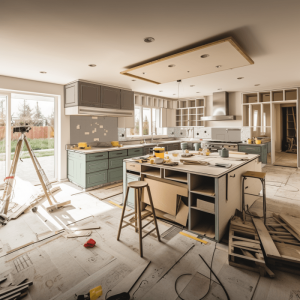
When it comes to increasing the value of a property in the real estate market, renovations play a crucial role. By strategically updating and improving a property, homeowners can significantly boost its resale value. However, it is essential to approach renovation projects wisely to ensure a high return on investment.
Focus on Key Areas
- Focus on the kitchen and bathrooms: These are key areas that can greatly impact the overall value of a property. Consider updating fixtures, cabinets, and countertops to give these spaces a modern and fresh look.
- Enhance curb appeal: First impressions matter, so investing in landscaping, painting, and updating the exterior of the property can attract potential buyers and increase its value.
- Improve energy efficiency: Upgrading windows, insulation, and appliances to be more energy-efficient not only adds value to the property but also reduces utility costs for future owners.
Cost-Effective Strategies
- Painting: A fresh coat of paint can transform a space and give it a clean, updated look without breaking the bank.
- Refinishing floors: Instead of replacing flooring, consider refinishing hardwood floors to save costs while still improving the property’s appeal.
- Updating lighting fixtures: Swapping out old light fixtures for modern, energy-efficient options can instantly update the look of a property.
Examples of Successful Renovation Projects
- Adding a deck or patio: Outdoor living spaces are highly desirable and can increase the value of a property significantly.
- Remodeling the master suite: Upgrading the master bedroom and bathroom can create a luxurious retreat that appeals to potential buyers.
- Opening up living spaces: Removing walls to create open, flowing floor plans can make a property feel more spacious and modern.
Balancing Costs with Resale Value
- It is crucial to carefully consider the costs of renovations and weigh them against the potential increase in the property’s resale value.
- Consulting with a real estate agent or professional appraiser can provide valuable insights into which renovations are likely to yield the highest returns.
- Avoid over-improving the property for the neighborhood, as this can lead to diminishing returns on investment.
In conclusion, Real Estate Market Analysis equips investors with the tools to navigate the dynamic market landscape effectively. By considering trends, key factors, and data analysis, informed decisions can be made to maximize investment opportunities.
Helpful Answers
What are the key factors to consider during a real estate market analysis?
Key factors include location, market trends, property condition, and comparable property prices.
How do trends in the real estate market impact investment strategies?
Trends can influence decisions on buying, selling, or holding properties, affecting potential returns and risks.
Why is it important to balance renovation costs with potential resale value?
Balancing costs ensures that renovations add value to the property without exceeding the potential profit upon resale.